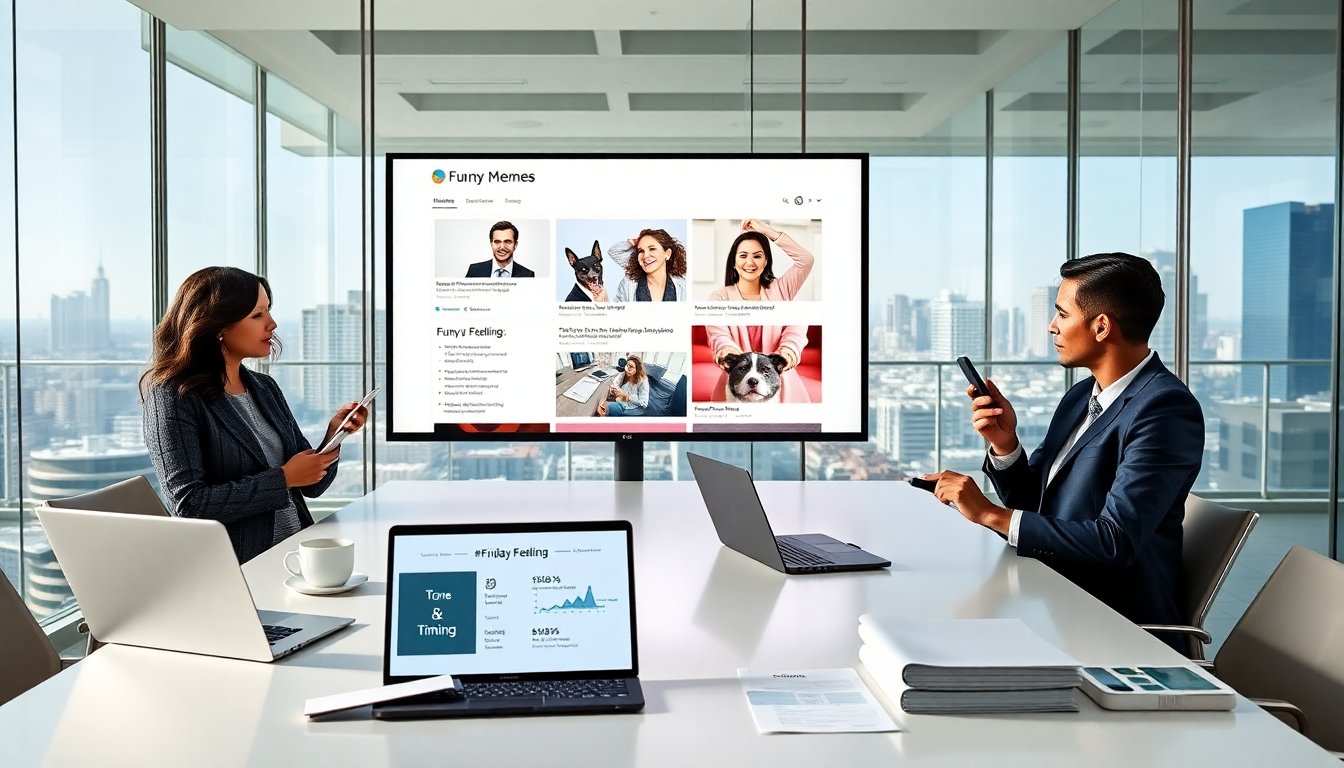
Funny Friday memes grab attention fast. They lift mood, they signal the weekend, and they spread quickly across social feeds. This article lists effective meme types and safe sharing habits. Readers will learn which memes work, how to caption them, and when to post. The goal is clear guidance that helps people share funny Friday memes with confidence and flair.
Key Takeaways
- Funny Friday memes boost mood and social bonding by triggering humor and weekend anticipation.
- Effective funny Friday memes use clear visuals, simple captions, and culturally relevant themes for quick engagement.
- Popular meme types include work-friendly, relatable life, silly, GIFs, office roast, pet and family memes, and meme bundles.
- Posting funny Friday memes during lunchtime or late afternoon maximizes reach and interaction.
- Maintain a light, inclusive tone and respect cultural sensitivity to avoid backlash when sharing funny Friday memes.
- Test meme formats on small audiences first and monitor metrics like shares and comments to refine content strategy.
Why Friday Memes Work: The Psychology Of Humor, Relief, And Weekend Anticipation
Why people respond to funny Friday memes is simple. Humor triggers brief dopamine increases. This effect makes people feel lighter and more social. People expect relief after a long work week. A well-timed meme meets that expectation. It confirms shared experience. It shows that others feel the same fatigue and hope. Groups bond when members laugh together. Social sharing increases when content matches mood. Friday mood trends toward relaxation and low cognitive load. Memes require little effort to consume. People can glance, laugh, and move on. This low cost makes memes ideal for the end of the workweek.
A good meme also reduces stress. Laughter lowers short-term stress markers. This change helps people shift focus to leisure plans. Many people use memes to signal start-of-weekend intent. They share images to invite friends to events or to joke about avoiding chores. The social signal acts as an informal invitation. It can lead to real plans.
Designers and marketers should use clear cues in Friday memes. Use bright, upbeat visuals and concise text. Avoid dense jokes that need long context. Simple images with direct captions produce fast reactions. People decide in seconds whether to like or share content. Clear humor increases that chance.
Cultural fit matters. The best funny Friday memes match the audience’s values. They reference common work routines, light family life, or weekend plans. Relevant memes get more engagement than abstract jokes. Finally, timing strengthens impact. Posting when users are active increases reach. The next section covers specific meme types and caption ideas.
Beyond these basics, consider the social mechanics: memes that invite a reaction (tag a friend, caption this) or a micro-action (share if you agree) turn passive viewers into participants. Visual hierarchy also matters — place the punchline in a readable spot, use legible fonts, and ensure faces or key objects are clearly visible even on small screens. These small design and social cues amplify why funny Friday memes work.
Best Types Of Funny Friday Memes With Caption Ideas (Work-Friendly, Relatable, And Silly)
People prefer clear categories of funny Friday memes. The categories below work for most feeds. Each category suits different audiences and platforms.
Work-Friendly Memes
- Image type: Clean office photo or cartoon. Caption idea: “They clocked out five minutes ago. They still answer one email.” Use this meme in professional channels. Keep jokes light and avoid politics. This type keeps the mood upbeat and safe.
- Platform tip: Short, single-panel images work well on LinkedIn and company Slack channels. Add a small, branded watermark on company posts to signal authenticity while keeping the visual uncluttered.
Relatable Life Memes
- Image type: Everyday scenes, pets, or sleep-deprived faces. Caption idea: “They promised themselves one more day of rest. They lied.” These memes connect with broad audiences. They use shared routines to create quick laughs.
- Engagement idea: Pair relatable memes with a one-line prompt like “Tag the friend who does this” to increase shares and comments without changing the joke.
Silly and Absurd Memes
- Image type: Exaggerated faces or surreal edits. Caption idea: “They educated the cat on calendar invites. The cat declined.” These memes aim for shock value and high share rates. Use them when the audience expects edgier humor.
- Use case: Keep absurd memes for platforms with looser tone expectations (Twitter/X, Instagram) rather than professional channels.
GIF and Short-Video Memes
- Format: 3–6 second loop or short clip. Caption idea: “They hit post. The weekend hit back.” Short motion grabs attention in feeds and stories. Platforms favor video, so GIFs can increase reach.
- Technical note: Export short clips with mobile-friendly dimensions and optimized file sizes so they autoplay smoothly on feeds without long load times.
Office Roast Memes (Gentle)
- Image type: Light roast of universal office tropes. Caption idea: “They made coffee, then they lived at their desk.” Keep tone playful. Avoid targeting specific people or groups.
- Best practice: Use stereotypes that are universal (long meetings, slow printers) rather than anything tied to identity or sensitive topics.
Pet and Family Memes
- Image type: Pets doing human things, kids acting wise. Caption idea: “They scheduled a nap. The team RSVP’d yes.” Family-friendly content gets broad engagement and comments.
- Share opportunity: These memes often perform well as carousel posts or cross-platform repurposing because they appeal across age groups.
Meme Bundles
- Strategy: Mix two related memes in a carousel or thread. Caption idea: “First meme: They survived Monday. Second meme: They survived Tuesday. Friday cheers.” Bundles keep users swiping and increase time on post.
- Execution tip: Use a consistent visual style across the bundle so the sequence reads as a single story and encourages full consumption.
People should test caption length and emoji use. Short captions work on feeds. Longer captions work in threads where context helps the joke. Hashtags help discoverability. Use one to three relevant tags like #FridayFeeling, #FunnyFriday, or #WeekendMood. These tags increase visibility while keeping the post focused.
Finally, ensure image quality. Clear images look professional. Blurry or low-contrast pictures reduce sharing. A small investment in design pays off in higher engagement for funny Friday memes. If possible, save a template library of approved fonts, colors, and image sizes so creators can produce consistent, on-brand memes quickly each Friday.
How To Share Friday Memes Safely: Timing, Tone, And Avoiding Common Pitfalls
People must follow simple rules when they share funny Friday memes. They should check timing, tone, and content. They should avoid common mistakes.
Timing
- Best windows: Lunchtime and late afternoon local time. People check social media in breaks and at shift ends. Post before typical logout times to catch the highest activity.
- Scheduling tip: If you manage multiple time zones, stagger posts or use platform scheduling to reach each audience during its peak afternoon window rather than posting once for everyone.
Tone
- Keep tone light. Avoid harsh sarcasm that might offend. Use inclusive jokes rather than insider references. Inclusive humor attracts more shares and reduces backlash.
- Approval workflow: For company accounts, route Friday meme posts through a quick content check to ensure they meet brand voice and compliance rules before publishing.
Cultural Sensitivity
- Remove content that targets protected groups. Avoid stereotypes and slurs. When in doubt, do not post. A short pause prevents many mistakes.
- Review checklist: Consider whether the joke relies on a group’s identity, religion, gender, or other protected attribute; if yes, rework or discard the meme.
Workplace Policy
- Verify company social policy before posting work-related memes from company accounts. Employees should separate personal and professional posts. Company accounts should prefer work-friendly memes.
- Employee guidance: Encourage staff to use personal accounts for edgier content and to label personal posts clearly when relevant to workplace topics.
Attribution and Copyright
- Use original images or licensed content. People should credit creators when required. Platforms may remove uncredited or copyrighted content. Crediting creators shows professionalism.
- Practical step: Maintain a folder of approved, licensed assets and a simple log of creators and licenses to speed up legal checks before posting.
Testing and Feedback
- Start with small audiences. Post to a limited group first. Monitor reactions and comments. Adjust captions and formats based on feedback.
- What to look for: Early indicators like comment tone, share rate, and whether people tag others help decide whether to boost or pull a post.
Crisis Avoidance
- Remove memes that spark negative conversations. Quick deletion and a short apology reduce damage. Prepare a simple response template for common errors.
- Post-mortem: After any issue, document what went wrong and update the sharing checklist so the same mistake is less likely to recur.
Metrics to Track
- Track shares, comments, and saves. Track reach and click-through for links. These metrics show which funny Friday memes perform best.
- Refinement loop: Use the tracked data to iterate on image style, caption length, and posting time. Small A/B tests (caption A vs B) reveal what drives more tagging or sharing.
People who apply these checks increase reach and reduce risk. Smart sharing helps funny Friday memes spread while keeping the audience happy. In short: pick the right type of meme for your audience, keep the tone light and inclusive, time posts for peak activity, and measure results to improve each week. A little preparation makes Friday humor both safe and effective.