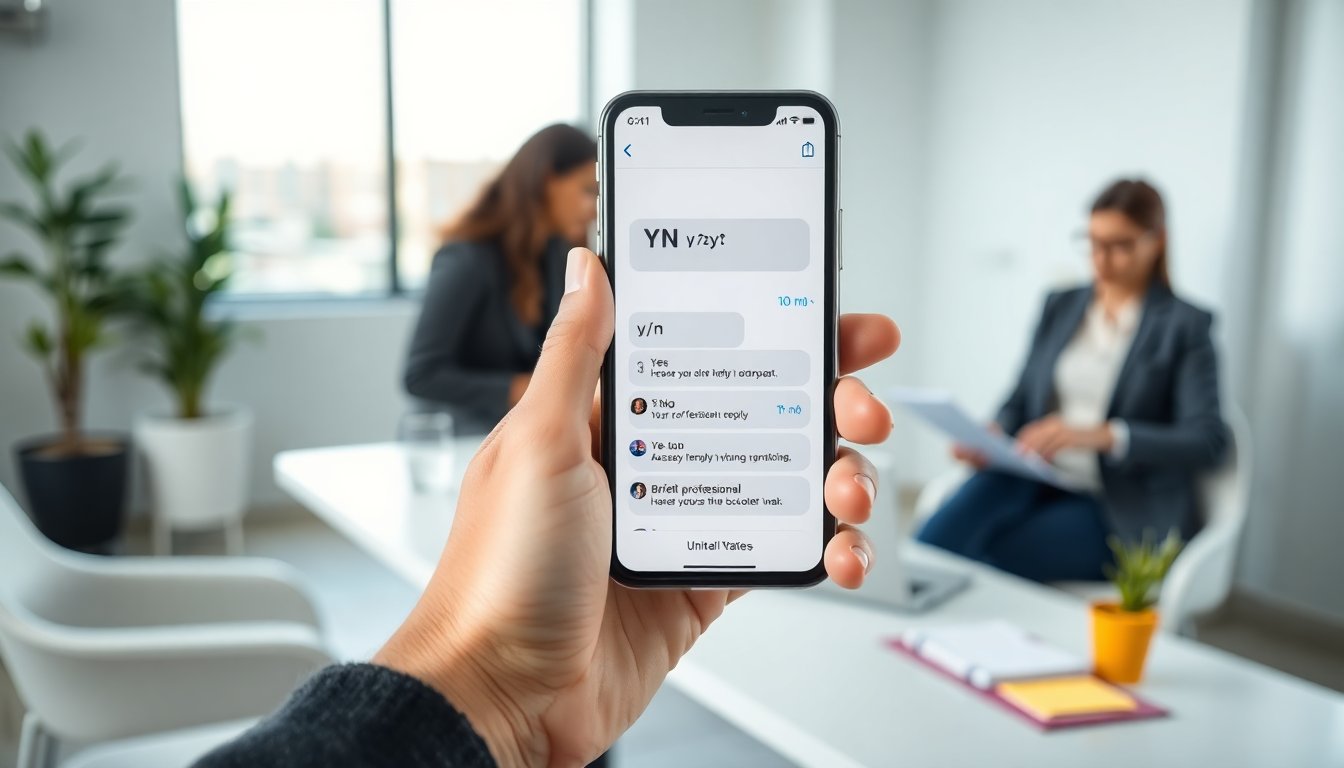
What does yn mean in text? The phrase refers to a short form people use to ask a yes-or-no question. The reader sees it mostly in casual chats, comments, and quick replies. This guide explains the origin, common uses, and simple ways to reply. It keeps language direct and practical so the reader can act on the information right away.
Key Takeaways
- YN stands for “yes or no” and is used in texts to quickly ask a binary question.
- People commonly use YN in casual chats, social media comments, polls, and quick surveys to save time.
- The tone of YN depends on context; it feels casual in close groups but can be abrupt in formal settings.
- Effective responses to YN match the tone and provide clarity, such as short confirmations in casual chats or full explanations in work contexts.
- Using YN helps streamline communication, especially on mobile devices and platforms with character limits.
- Writers should consider their audience before using YN, avoiding it in formal or unfamiliar conversations to maintain clarity.
What YN Stands For And Where It Came From
YN stands for “yes or no.” People shorten the phrase to save time when they type. The abbreviation appears in early internet forums and chat rooms. It spread to texting, social media, and multiplayer games. Writers use YN when they want a clear choice or a quick answer.
The shorthand rose with mobile devices. Users wanted fewer keystrokes and faster replies. Group chats and comment threads encouraged short signs and acronyms. YN joined other simple markers like “idk” and “brb.”
Some users type YN at the start of a message to frame a question. Others add YN at the end to ask for confirmation. The meaning stays consistent: a binary choice request. Context affects tone. In close groups, YN reads casual. In formal chats, YN can feel abrupt. Readers should watch tone and audience when they see YN.
The abbreviation also appears in polls and quick surveys. Platforms that limit characters favor short queries. YN fits character limits and speeds up voting. It also suits threaded replies where concision matters.
How People Use YN Today
People use YN in direct messages to ask fast questions. They use YN in comment sections to poll friends. They use YN in group chats to move decisions forward. The target keyword, what does yn mean in text, helps users search for this explanation when they first see YN.
Writers use YN in casual plans. For example, one friend might type: “Dinner at 7 YN?” That message asks a yes-or-no response without extra words. Another use appears in threads: “Vote YN for option A.” Platforms that host short replies often show YN alongside other quick prompts.
Some users attach follow-up choices: “YN? Yes I’ll bring drinks / No I can’t.” That format keeps the reply clear. Other users write YN with punctuation to change tone. “YN?” sounds urgent. “YN.” reads blunt. The reader should note punctuation to infer mood.
Writers also use YN to test opinions. A creator might post a story and ask “YN: Should I post part two?” Followers give a simple vote. Brands sometimes use YN in surveys to speed data collection. The target keyword, what does yn mean in text, appears in searches when readers need this context.
Common Examples In Texts, Social Media, And Chat Apps
Example 1: “Road trip this weekend YN?” A friend expects a yes or no.
Example 2: “New logo YN” A designer asks for a quick vote.
Example 3: “YN? I can bring snacks.” A teammate offers a follow-up choice.
Example 4: “YN, we meet at noon or cancel.” A group seeks a clear decision.
Example 5: “Post this YN” A content creator asks followers to approve posting.
Each example shows a direct request. Each example uses few words. The reader can copy these short forms and adapt tone. The target keyword, what does yn mean in text, will match these simple uses in search results.
How To Respond And Best Practices For Different Contexts
Responders should read the conversation before they reply. They should match tone. In casual chats, they should reply with “yes” or “no” or short forms like “y” or “n.” In mixed groups, they should add a short reason. For example: “Yes, I can do 7.” The extra phrase clarifies availability.
In work chats, responders should avoid single-letter replies. They should write full words and a brief note. For example: “No, I have a meeting then.” This reply stays clear and professional. The target keyword, what does yn mean in text, helps managers teach teams when to use short forms.
When a responder needs more time, they should say so. For example: “YN? I’ll check and reply by 3.” That reply buys time and keeps decisions moving. When messages involve commitments, responders should confirm specifics. For example: “Yes. I will bring drinks and napkins.” That reply prevents confusion.
If a responder sees YN in a public poll, they should follow the poll rules. They should not spam a thread with repeated votes. If a responder wants to discuss, they should start a new message instead of replying with a simple yes or no. That action keeps the poll results clean.
Writers who use YN should consider the audience. They should use YN with friends and small groups. They should avoid YN in formal requests or with new contacts. The phrase stays useful, but tone matters. The target keyword, what does yn mean in text, will guide readers who teach others or set chat rules.