
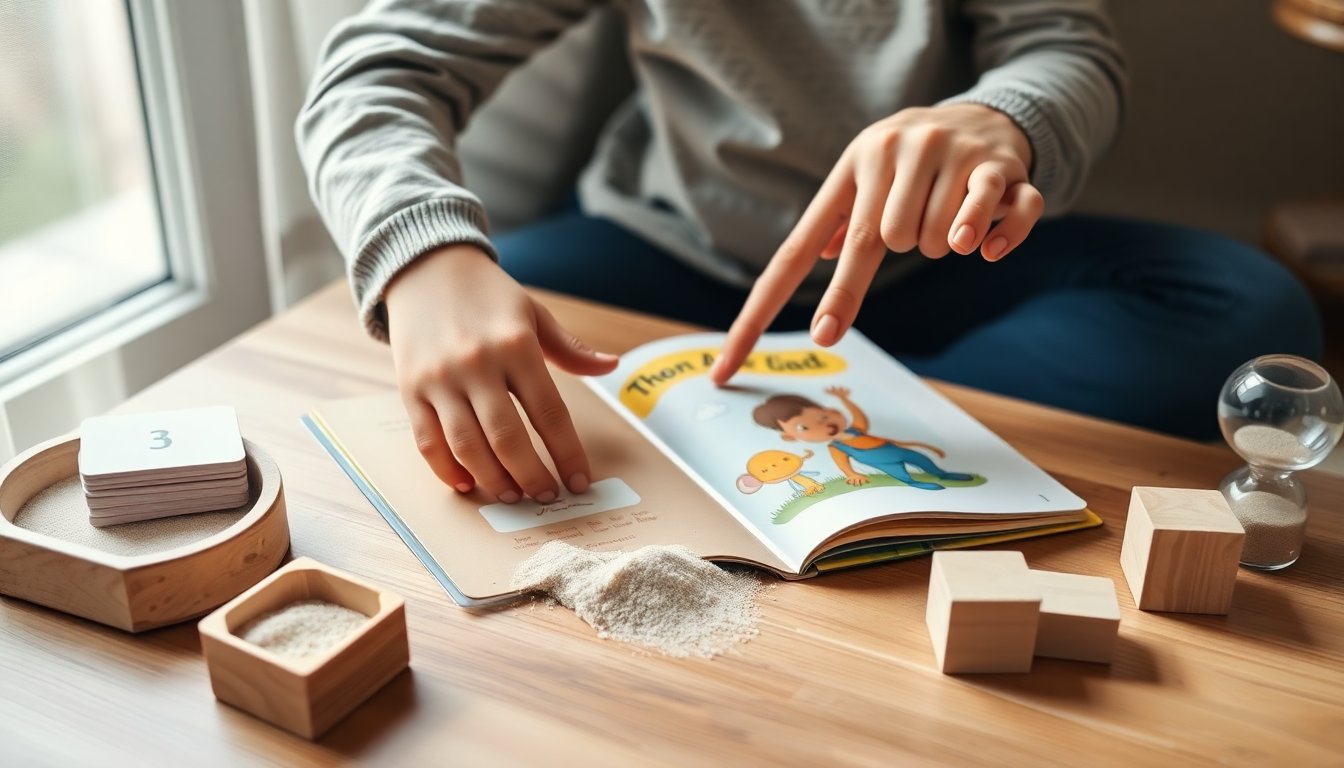
Most caregivers and educators teach kids to read by layering phonics, shared reading, and short daily practice sessions that match a child’s current abilities. This approach scaffolds skills, letter knowledge, decoding, fluency, and comprehension, so a beginner moves from recognizing sounds to reading simple sentences with confidence. The plan below outlines readiness signs and a focused, practical 8-week sequence that can be adapted for ages 4–7.
Key Takeaways
- Teaching kids to read effectively combines phonics, shared reading, and daily short practice tailored to their current skill level.
- Recognizing readiness signs like letter recognition and phonemic awareness ensures children are prepared for reading instruction.
- An 8-week structured plan progressively builds skills from letter sounds to independent reading with comprehension.
- Daily activities should include multisensory letter practice, blending drills, shared reading, and fun phonics games to reinforce skills.
- Consistent, short practice sessions of 10–20 minutes are more effective than longer, infrequent ones for reading development.
- Tracking progress regularly and celebrating small wins boosts confidence and reading success.
Understand Reading Development Milestones And Readiness Signs
Understand Reading Development Milestones And Readiness Signs
Children typically follow a predictable sequence when learning to read: awareness of print, letter recognition, phonemic awareness (hearing individual sounds), decoding (sounding out words), and early comprehension. Recognizing readiness helps set expectations and keep instruction effective. Key signs that a child is ready to learn to read include:
- Interest in books and storytelling: they may pretend to “read” pictures.
- Knows several letter names and can imitate writing shapes or letters.
- Can hear and say separate sounds in simple words (for example, cat → /k/ /a/ /t/).
- Enjoys rhymes and can clap out syllables.
Teachers and parents should observe rather than force: pushing children who lack phonemic awareness often causes frustration. When a child shows the signs above, begin structured, short lessons focused on phonics and decoding. Keep sessions 10–20 minutes, frequent and predictable. Use real books and familiar words so skills transfer to meaningful reading. Finally, track small wins, consistent letter-sound mastery, smooth one-syllable decoding, and the ability to retell a short sentence are reliable progress markers.
An 8-Week Step-By-Step Teaching Plan For Beginners
An 8-Week Step-By-Step Teaching Plan For Beginners
Weeks are grouped to build on each other: each week has a clear focus and daily micro-practices. Use decodable texts and simple sight words: keep tone encouraging. Bold and celebrate accuracy more than speed early on.
Week 1, Letter names and sounds
- Teach 3–5 letters and their dominant sounds (start with consonants like m, s, t and short vowels).
- Use multisensory practice: write letters in sand, say the sound, and find the letter in a book.
- Goal: child recognizes and says target letter sounds.
Week 2, Phonemic awareness and blending
- Practice segmenting and blending three-phoneme words (cat, mop, sat).
- Use simple oral blending games: stretch sounds slowly and ask the child to blend.
- Goal: blend CVC words orally without cues.
Week 3, Decoding simple words and sight words
- Introduce 5–8 high-frequency sight words (the, and, is).
- Read short decodable sentences that use learned letters and sight words.
- Goal: child reads short sentences with minimal prompting.
Week 4, Build fluency and practice rereading
- Practice rereading familiar decodables to increase smoothness.
- Time or count errors lightly to show improvement over days.
- Goal: increased accuracy and smoother phrasing.
Week 5, Expand vowel patterns and syllable awareness
- Teach short vowel review and introduce long-vowel patterns (silent e, vowel teams).
- Break words into syllables and practice reading two-syllable decodables.
- Goal: decode simple multisyllable words.
Week 6, Comprehension strategies and early writing
- Ask literal and simple inferential questions after reading (who, what, where, why).
- Have the child write a short caption or sentence about a picture using learned words.
- Goal: retell a short passage and write a readable sentence.
Week 7, Blend skills and widen word bank
- Mix phonics lessons with more sight words and word families (‑at, ‑an, ‑it).
- Read a short predictable book together and ask the child to read repeated phrases.
- Goal: read a short picture book with support.
Week 8, Independent reading practice and assessment
- Create a simple assessment of letter-sound knowledge, reading 10 decodable words, and reading one short sentence aloud.
- Celebrate progress and set next goals (more sight words, more complex vowel patterns).
- Goal: independent reading of simple texts with basic comprehension.
Daily Activities, Games, And Simple Progress Checks To Use Each Week
- Letter sound warm-up: 3 minutes of flash, but always include a quick game (e.g., “sound detective”).
- Blending drill: 3–5 minutes of oral blend-and-point practice with small sets of words.
- Shared reading: 5–10 minutes of reading a short, decodable page together: point out punctuation and meaning.
- Game ideas: rhyming bingo, matching picture-to-word cards, and phoneme-elimination games (say “cat” without /k/).
- Progress check (twice weekly): quick note on 3 items, letters known, words decoded, and one sentence read. Adjust the next week’s targets based on these notes.
Throughout, keep feedback specific: praise accurate sound production, smooth blends, and correct self-corrections. If progress stalls, back up one week’s focus and add more multisensory practice. Bold short, frequent wins to build confidence: small steps repeated reliably produce lasting gains.
FAQ
FAQ
Q: How often should a child practice reading?
A: Short, daily practice, about 10–20 minutes, is most effective for beginners: consistency beats marathon sessions.
Q: When should a teacher introduce sight words?
A: Introduce a few high-frequency sight words after basic letter-sound knowledge is in place: pair them with decodable practice so sight words don’t replace phonics.
Q: What if a child is resistant to lessons?
A: Shift to play-based activities: read favorite picture books aloud, use phonics games, and reduce pressure. If resistance persists, consult an early childhood specialist for targeted strategies.
Q: Are phonics-only approaches best?
A: Phonics is essential for decoding, but it works best when combined with shared reading and comprehension activities so meaning stays central.
Frequently Asked Questions About Teaching Kids to Read
How do I know if my child is ready to learn to read?
Look for readiness signs such as interest in books, knowing several letter names, ability to hear and say separate sounds in words, and enjoyment of rhymes. These indicate your child is prepared for structured reading lessons.
What is the best way to teach kids to read using phonics?
Start with 3–5 letters and their sounds, using multisensory methods like writing letters in sand and saying sounds aloud. Gradually introduce blending, decoding, and sight words in short daily sessions of 10–20 minutes to build confidence and skills.
When should sight words be introduced to a beginning reader?
Introduce a small set of high-frequency sight words after your child has learned basic letter-sound relationships. Pair sight words with decodable texts to ensure phonics skills remain central to learning to read.
How often should children practice reading to improve effectively?
Daily short practice sessions of about 10–20 minutes are most effective. Consistent, frequent practice encourages steady progress and builds reading fluency better than longer, infrequent sessions.
What can I do if my child resists reading lessons?
Transition to play-based activities like reading favorite picture books aloud and phonics games to reduce pressure. If resistance continues, consider consulting an early childhood specialist for personalized strategies.
Why is combining phonics with shared reading important when teaching kids to read?
Phonics teaches decoding skills, but combining it with shared reading and comprehension activities helps children understand meaning, making reading more engaging and effective for early learners.


