
In kindergarten, sight words are high-frequency words children are expected to recognize instantly without sounding them out. They form the backbone of early reading because many are irregular or appear so often that automatic recognition speeds reading and builds confidence. This guide explains what sight words are in child-friendly terms, why they matter, common lists teachers use, and practical, multisensory ways parents and teachers can help young readers master them.
Key Takeaways
- Sight words for kindergarten are high-frequency words children learn to recognize instantly to build reading fluency and confidence.
- Common sight word lists include the Dolch and Fry sets, each suited to different teaching approaches and reading goals.
- Kindergarten sight words help improve comprehension by allowing children to focus on sentence meaning instead of decoding every word.
- Effective sight word instruction combines brief, repetitive practice with engaging, multisensory activities that make learning fun and memorable.
- Parents should coordinate with teachers to use the same sight word list and reinforce learning consistently at home.
- Embedding sight words in daily routines and reading contexts boosts retention and makes early reading a joyful experience.
What Are Sight Words? A Simple, Child‑Friendly Definition
Sight words are words a child can recognize immediately without decoding letter by letter. For a kindergarten child that usually means words like “the,” “and,” “is,” or “you” that show up in many books and classroom materials. Some sight words follow regular phonics patterns and can be sounded out: others are irregular (for example, “said” or “was”) and are taught by memorizing their shape and context. Teachers present sight words in short, frequent doses, often a few words a week, so children meet them repeatedly in reading and writing activities. The aim is fluent, confident reading where common words don’t slow the child down.
Why Sight Words Matter In Kindergarten — Reading Fluency, Confidence, And Comprehension
Kindergarten sight words support three linked outcomes: fluency, confidence, and comprehension. When children instantly recognize common words, they read more smoothly and can focus on meaning instead of decoding every token. That fluency builds confidence, kids who don’t get stuck on frequent words are more likely to keep reading. Finally, recognizing sight words aids comprehension because these words often carry grammatical structure (articles, pronouns, connectors) that help a child understand sentence meaning. Teachers balance sight-word practice with phonics so kids gain both automatic recognition and decoding skills for unfamiliar words.
Common Kindergarten Sight Word Lists: Which One Should You Use?
Several established lists are common in classrooms: choosing one depends on curriculum, reading goals, and teaching style. The two most used are the Dolch and Fry lists. Dolch groups are classroom-friendly and organized by grade level, while Fry focuses on frequency across written English. Some schools blend lists or adapt them to classroom texts. Parents should ask the child’s teacher which list the class uses and reinforce that same set at home so practice matches classroom expectations.
Dolch Pre‑Primer And Primer: Typical Words, Organization, And Classroom Use
The Dolch list was created for early readers and is arranged by grade: pre‑primer (kindergarten entry words) and primer (often kindergarten through first grade). Typical pre‑primer words include a, I, the, and: primer adds words like have, could, want. Dolch lists emphasize words that appear in children’s literature and sight‑word readers, so teachers often teach them in small weekly sets with reading practice, flash activities, and writing tasks. Many classrooms use Dolch because it maps neatly to instructional levels and popular early‑reader books.
Fry First 100: How It Differs From Dolch And When To Choose It
The Fry First 100 ranks words by frequency in general written English rather than by developmental grade. Its top 100 includes similar staples, the, of, and, to, but the ordering reflects broader written usage. Schools using balanced literacy or frequency‑based instruction may prefer Fry because it aligns with corpus data and later reading material. For parents, Fry can work well if they want a single frequency-based set to follow from kindergarten into higher grades: for classroom alignment, confirm with the teacher first.
Practical Ways To Teach Sight Words At Home And School
Effective sight‑word teaching mixes short, repeated exposure with meaningful practice. Use flash cards sparingly, pair them with books containing the target words, quick daily review, and writing opportunities. Keep sessions brief (5–10 minutes) and consistent: five minutes each morning adds up. Track progress with a simple checklist and celebrate small wins to keep motivation high. Avoid drilling alone: instead, embed words in stories, morning messages, and real notes so children see words in context and understand their purpose.
Multisensory Activities And Daily Routines To Reinforce Sight Words
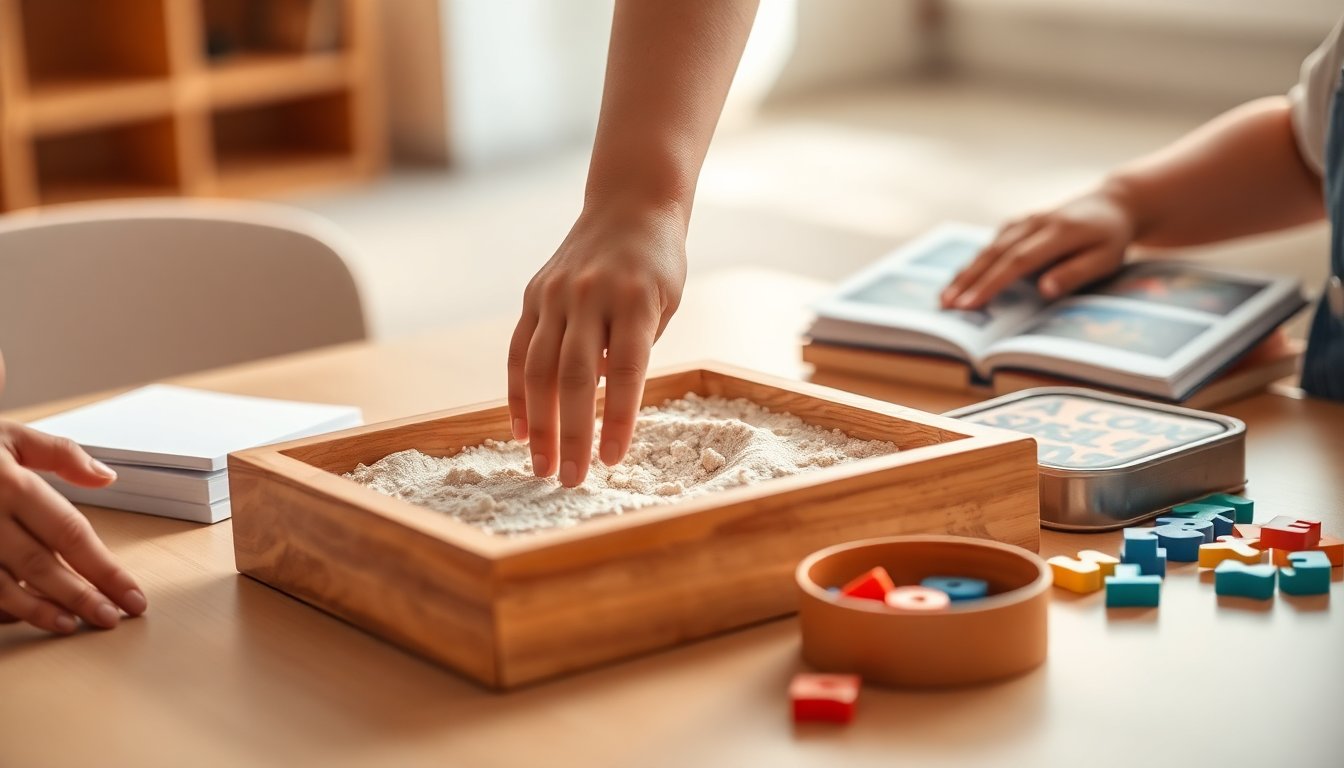
Multisensory methods make sight words stick by engaging different memory channels. Try tracing words in sand or shaving cream, building them with magnetic letters, and saying them while performing an action, this pairs visual, tactile, and kinesthetic memory. Play quick games like “sight‑word bingo,” hide‑and‑seek word hunts around the room, or make a word wall where children add words as they learn them. Integrate sight words into daily routines: read a short bedtime page with the child, label breakfast items, or have children write a sentence using one new word. These varied exposures boost retention and keep practice light and fun.
Frequently Asked Questions about Sight Words for Kindergarten
What are sight words for kindergarten?
Sight words for kindergarten are common, high-frequency words that children learn to recognize instantly without sounding out, such as “the,” “and,” and “is.” These words help young readers build fluency and confidence in reading.
Why are sight words important in kindergarten reading?
Sight words are important because they enable kindergarteners to read smoothly and confidently by recognizing frequent words instantly. This fluency helps children focus on understanding the story instead of decoding each word.
What are the common lists used for teaching sight words in kindergarten?
The most common sight word lists used in kindergarten are the Dolch and Fry lists. Dolch is organized by grade level and focuses on words in children’s literature, while Fry ranks words by frequency in general written English.
How can parents help teach sight words at home?
Parents can help by practicing sight words in short daily sessions using flashcards, reading books with target words, and incorporating writing activities. Multisensory methods like tracing words in sand or playing sight-word games also make learning engaging and effective.
What are multisensory activities for reinforcing sight words?
Multisensory activities involve using touch, sight, and movement to help kids remember sight words, such as tracing words in shaving cream, building words with magnetic letters, or playing sight-word bingo. These approaches make learning fun and memorable.


