
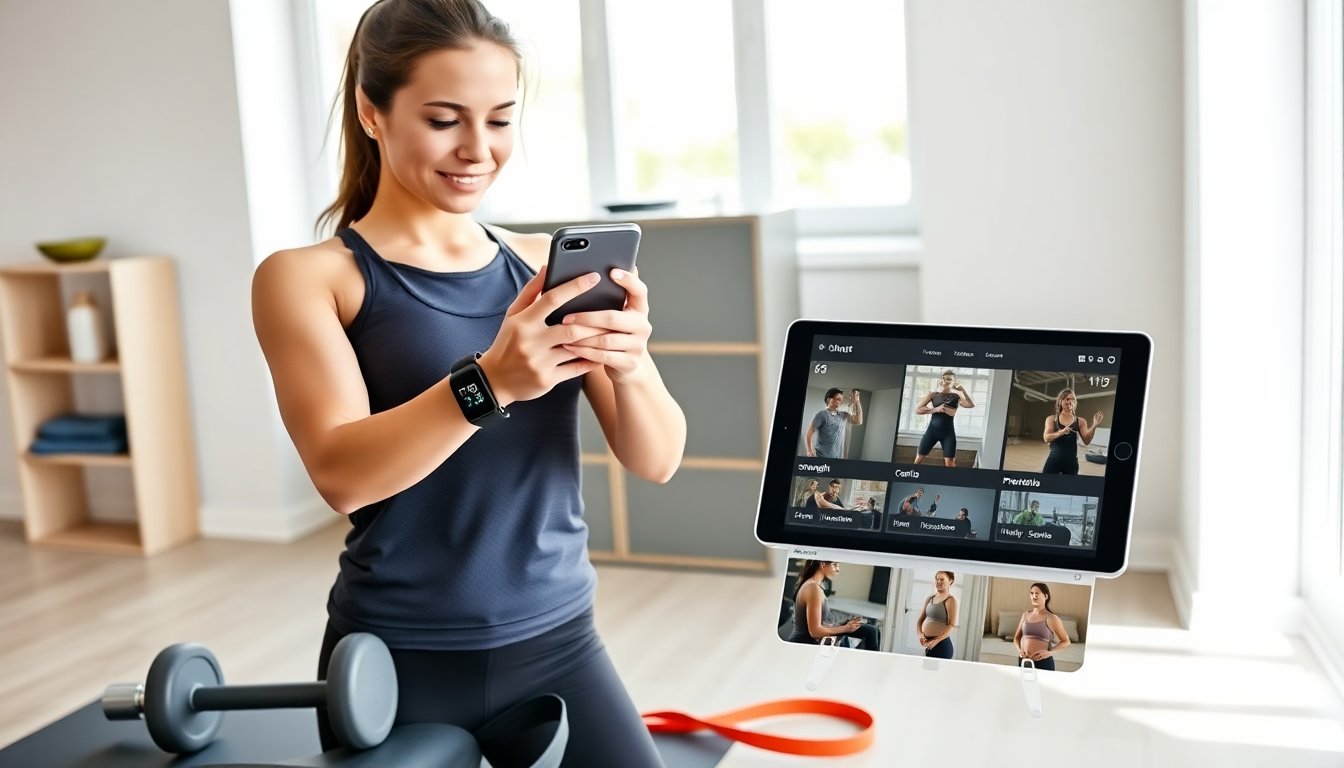
The best workout apps for women let users train effectively at home or in the gym. This guide lists top apps, explains key features, and shows how each app fits common goals. It helps readers pick an app that matches strength goals, time limits, and budget. The guide uses clear criteria and real app examples. Use this as a practical companion when researching the best workout apps for women so you can focus on consistency and measurable progress rather than browsing endlessly.
Key Takeaways
- The best workout apps for women provide clear video instructions, scalable workouts, and track progress to match individual strength and fitness goals.
- App X is the top overall choice for women seeking balanced strength, cardio, and yoga programs with community support and wearable integration.
- Women focused on muscle building should consider App Y, which offers detailed strength training tracks with technique guidance and progression templates.
- App Z is ideal for prenatal and postpartum fitness, offering modified workouts and safety features tailored to pregnancy stages.
- App Q suits women who prefer no-equipment, home-based workouts with flexible, time-efficient sessions and nutrition support.
- Choosing the right app requires evaluating personal goals, schedule, equipment access, trial periods, and budget to ensure steady progress and motivation.
What Women Should Look For In A Workout App
Women need an app that matches her goals and schedule. She should check program structure, exercise quality, and progression plans. She should confirm whether the app offers strength training, cardio, flexibility, and recovery. She should look for clear video instruction, scalable workouts, and adjustable intensity. She should verify tracking features, progress metrics, and integration with wearables. She should read user reviews for safety and community support. She should compare price, trial length, and cancellation terms. She should prefer apps with certified trainers and evidence-based routines.
To make a practical shortlist when searching for the best workout apps for women, prioritize a few measurable criteria: the depth of the exercise library, whether workouts build on previous sessions (progression), and how the app reports progress (weight lifted, workout volume, time, or endurance metrics). Also consider usability: does the app force long setup, or can you start a session in under a minute? Privacy and data export options are important for long-term tracking. Finally, look for features that directly support your needs — for example, pelvic floor cues for postpartum users, or short-format “under 30 minutes” programs for busy schedules.
Best Overall Workout App For Women
App X earns the top spot for balanced programming, user experience, and flexible plans. It offers structured strength cycles, HIIT sessions, and yoga classes. It provides clear video cues, rep counters, and automatic progression. It syncs with major wearables and logs nutrition entries. Pricing starts with a free tier and paid plans from mid-range monthly fees. Women who want a single app for lifting and cardio should choose App X. The app also includes community challenges and periodic live classes. Users report consistent results when they follow 3–5 sessions per week.
Beyond programming variety, App X stands out for personalization tools that adapt to feedback — for example, adjusting loads or session length based on perceived exertion. It also provides goal-based tracks (fat loss, strength, general fitness) and sample weekly plans so users can see how many sessions and how much time they’ll need to reach realistic milestones. For those assessing whether it’s worth the subscription, use the trial period to complete one full microcycle (typically 4 weeks) and evaluate changes in strength, endurance, sleep, and energy rather than judging after a single week.
Key Features, Pricing, And Who Should Use It
App X includes adaptive programs, personalized plans, and guided warm-ups. It hosts exercise libraries with angle and tempo cues. The app offers a seven-day free trial and monthly or annual subscriptions. The monthly plan costs less than private coaching. Women who want clear progression and cross-training should use this app. Women who need therapy-level guidance should pair the app with a physical therapist. The app fits users who train at home or at the gym and who value tracking and variety.
When comparing pricing, check what the subscription actually unlocks: some apps gate the best progressions and assessments behind premium tiers. Also confirm family or multi-user access if you plan to share with a partner, and whether workouts are downloadable for offline use. This section is for readers who want an all-around solution: if you need one app to cover lifting, cardio, mobility, and occasional yoga without switching platforms, App X is the most efficient single purchase.
Best Strength-Training App For Women
App Y focuses on strength programming with barbell, dumbbell, and bodyweight tracks. It uses linear and undulating progressions. It offers one-rep-max calculators and accessory templates. It shows step-by-step lifting technique and common error prompts. Pricing includes a low-cost subscription and a premium coaching add-on. Women who want to build muscle and increase lifts will prefer App Y. The app works for beginners who need guided ramps and for intermediates who want periodized plans. It supports gym logging and printable training plans.
Practical strengths of App Y include built-in deload weeks, autoregulation options (adjusting volume or intensity based on recent performance), and templates for common goals like hypertrophy or strength peaking. The app’s technique content often breaks lifts into drill progressions, which helps reduce injury risk — an important feature for lifters who are self-coached. If your goal is increasing compound lifts (squat, deadlift, press), prioritize an app that logs load, sets, and reps cleanly and exports data so you can chart progress across months.
Best App For Prenatal And Postpartum Fitness
App Z provides prenatal and postpartum safety checks and modified workouts. It offers pelvic floor guidance, breathing drills, and progressive strength sessions. It lists cleared exercises by trimester and by postpartum stage. It includes recovery timelines and prompts to seek medical approval. It offers short daily sessions for energy and longer sessions for conditioning. Pricing is affordable and includes family access in higher tiers. Women who plan pregnancy or who return to training after birth should choose App Z. The app pairs well with professional medical advice.
When using any exercise app during pregnancy or postpartum recovery, the most important rule is clinical clearance: follow your provider’s guidance on safe intensity and movement selections. App Z helps users by including screening questions, demonstration of pregnancy-safe variations, and specific cues to avoid intra-abdominal pressure (for example, modified core work). Postpartum users should look for explicit pelvic floor progressions and guidance on gradually reintroducing impact and heavy loading. Use the app alongside check-ins with a pelvic health specialist for any diastasis or incontinence concerns.
Best No-Equipment And Home Workout App
App Q specializes in no-equipment and minimal-equipment training. It provides bodyweight circuits, mobility flows, and short cardio blasts. It uses time-based and rep-based formats and includes progressive difficulty. It offers quick sessions that fit busy schedules and clear video cues for form. Pricing includes a usable free tier and an inexpensive premium plan. Women who train at home, travel, or prefer low-cost options should use App Q. The app also includes nutrition tips and habit trackers to support consistency.
For busy schedules, the ability to filter workouts by duration and intensity is essential: App Q makes it easy to find ten-minute AMRAPs, 20-minute strength circuits, or 30-minute mobility-plus-strength blends. Progression in a no-equipment app typically comes from adjusting tempo, range of motion, or adding unilateral variations (single-leg, single-arm moves) — not from heavier weights — and quality apps explain how to scale exercises to keep gains steady. If you plan to transition from bodyweight to weighted training later, pick an app that documents progress and can incorporate resistance bands or dumbbells down the line.
How To Choose The Right App For Your Goals, Schedule, And Budget
Start by listing goals, time available, and equipment access. Compare apps for program type, coaching level, and content depth. Check trial options and cancelation policies before subscribing. Match the app to weekly time and to realistic progression. Prioritize apps that offer clear tracking and measurable milestones. Consider community or coaching if motivation is an issue. Balance cost with content quality and expected outcomes. Reassess the app after four to eight weeks and switch if the app does not support steady progress. If budget is tight, choose a no-equipment app with strong programming and low cost.
Use a short decision checklist: 1) Can the app deliver the specific programming you need (strength vs. cardio vs. rehab)? 2) Is the time commitment realistic for your week? 3) Does the app provide objective progress metrics you care about? 4) Is the price aligned with how often you’ll use it? Try to complete at least one structured training block (4–8 weeks) during any trial period so you can evaluate adherence, enjoyment, and measurable outcomes. Finally, remember that the “best workout apps for women” are the ones you actually use consistently — prioritize usability and enjoyment as much as features.


