Yes, cell phone signal boosters can improve reception in many situations, though they don’t fix every coverage problem and effectiveness depends on a few practical factors. This guide explains what boosters do, when they help, the key variables that determine performance, and what to know about buying and installing one.
Key Takeaways
- Cell phone signal boosters improve reception by amplifying weak outdoor signals and rebroadcasting them indoors or inside vehicles.
- Boosters work best when a usable baseline signal exists outside; they cannot create signal where none is available.
- Proper installation, including optimal antenna placement and compatibility with carrier frequencies, is crucial to booster effectiveness.
- Boosters are ideal for rural homes with weak outdoor signals, buildings with signal-blocking materials, and vehicles in marginal coverage areas.
- Choosing certified, carrier-approved boosters and considering professional installation enhances performance and compliance with regulations.
- Alternatives like Wi-Fi calling or switching carriers may be better options if outdoor signals are undetectable or network congestion is the issue.
What Cell Phone Signal Boosters Are And How They Work
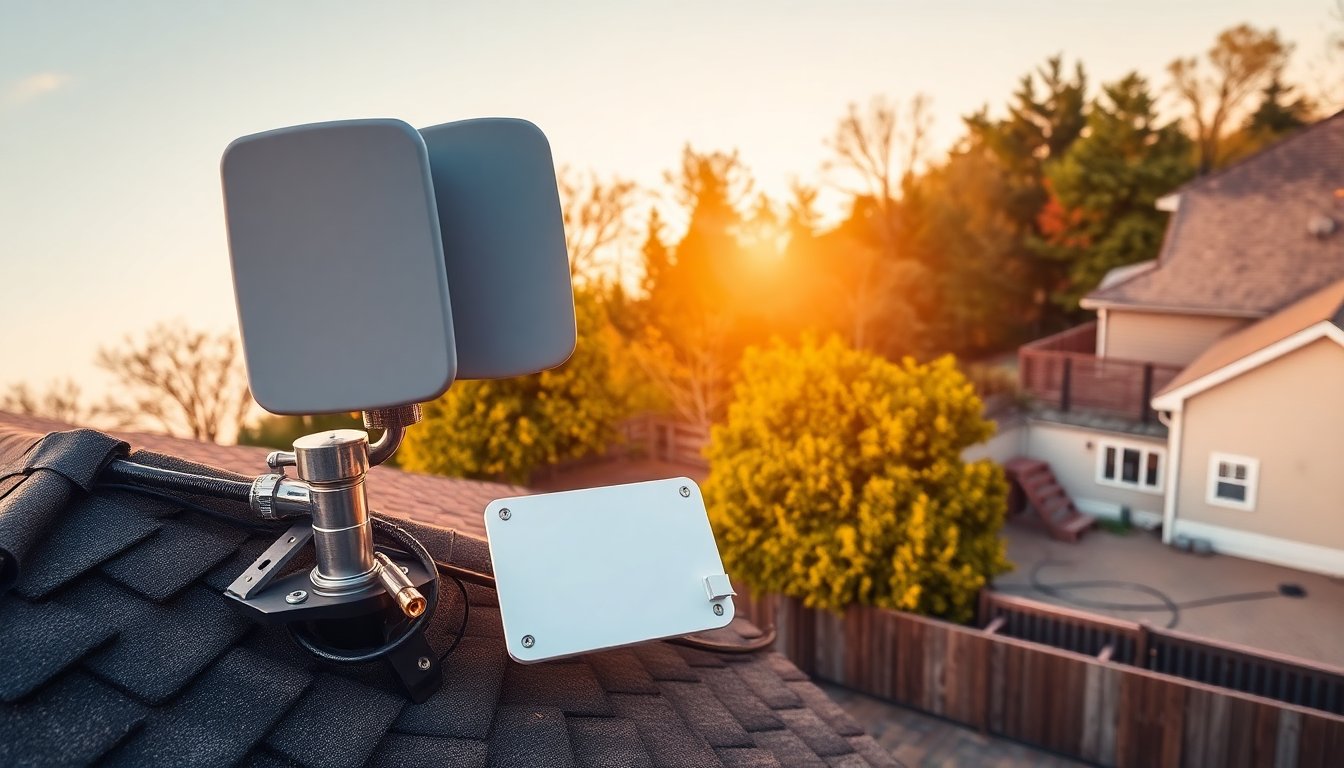
Cell phone signal boosters are hardware systems that capture weak outdoor cellular signals with an external antenna, amplify them, and rebroadcast the stronger signal inside a building or vehicle. They typically include three parts: an outside (or rooftop) antenna, an amplifier (the booster unit), and one or more inside antennas that distribute the improved signal.
The outside antenna points toward the nearest cell tower to pick up whatever signal is available. The booster amplifies that signal and sends it to the indoor antennas, which create a local area of better reception. Some boosters are single-carrier or single-band (help one network or frequency), while many modern units are multi-band and support multiple carriers and technologies (2G/3G/4G LTE/5G), though support varies by model.
Important practical note: a booster cannot create a signal where none exists. If the outside antenna cannot detect any usable signal from a tower, there is nothing for the amplifier to strengthen. Also, boosters must comply with carrier and regulatory rules, authorized models limit power levels and prevent interference with the network. Amplification improves call quality and data speeds when a usable baseline signal is present: it doesn’t replace a wired connection or compensate for blocked backhaul at the tower.
Effectiveness: When Boosters Help — And When They Don’t
Boosters are most effective in these common scenarios:
- Rural homes with a weak but steady signal outside: an exterior antenna on the roof can reach a distant tower and supply a stronger indoor signal.
- Buildings with poor indoor penetration but nearby tower coverage: materials like concrete, metal, or low-e glass can block signals: boosters overcome that by rebroadcasting the captured signal inside.
- Vehicles traveling through areas with marginal coverage: vehicle boosters can raise reception while driving.
They are less helpful or ineffective when:
- There is no detectable outdoor signal at the site. A booster cannot invent connectivity.
- The problem is carrier congestion at the cell site (too many users): boosting won’t increase available tower capacity.
- The tower provides only very weak backhaul or is offline: improving the link to devices won’t help if the carrier has no usable network path.
Bold considerations: site survey and tower distance matter. A quick test is to check signal strength outside where an antenna would mount: if bars are zero or the phone shows “No Service,” a booster may not help. If there’s at least a trace of signal (one to two bars or a measurable dBm value), a properly installed booster often yields noticeable improvements in voice quality and data throughput.
Key Factors That Determine Booster Performance
- Outdoor signal strength and quality: stronger baseline signals produce better results.
- Antenna placement and orientation: the outside antenna must have line-of-sight or a clear path toward the tower: the inside antenna should be placed where people use devices most.
- Distance between exterior and interior antennas: too close causes oscillation (feedback) and reduced gain: installers follow separation guidelines.
- Frequency and carrier compatibility: a booster that supports the carrier’s bands and 5G/4G frequencies used in the area will perform better.
- Installation quality: cable losses, poor connectors, or incorrect grounding all reduce amplifier effectiveness.
Common mistakes include mounting the outside antenna in a low-signal spot (attic instead of rooftop), using inexpensive thin coax for long runs (higher loss), and placing inside antennas too close to the outside antenna.
Buying, Installation, Cost, And Regulatory Notes
When shopping, look for boosters certified for use in the relevant country and labeled to support the needed bands and carriers. Models range from basic home kits to professional multi-antenna systems for large buildings. Typical cost ranges: consumer home boosters often run from a few hundred to about $1,000: commercial/enterprise systems can cost several thousand depending on antennas, cabling, and labor.
A few practical buying and installation tips:
- Choose a unit that lists the specific bands needed (e.g., LTE Band 12, 13, n41 for 5G).
- Prefer kits with clear installation guides and quality coax (low-loss).
- Consider professional installation for complex sites or multi-story buildings: pros test signal levels and optimize antenna placement.
- Check return policies and warranty terms: real-world performance depends on site conditions.
Regulatory and carrier points:
- In many countries, regulators require boosters to be approved to prevent interference with carrier networks: unauthorized units may be illegal.
- Some carriers offer or approve specific models: using an approved device avoids service restriction risks.
Finally, weigh alternatives: fixed wireless access, Wi‑Fi calling (if the internet is reliable), or switching carriers with better coverage in the area. A booster is a practical, often cost-effective solution when an exterior signal exists and installation is done correctly, but it’s not a universal fix.
Frequently Asked Questions about Cell Phone Signal Boosters
Do cell phone signal boosters actually work to improve reception?
Yes, cell phone signal boosters can improve reception when there is a weak but usable outdoor signal. They amplify existing signals and rebroadcast a stronger signal indoors or in vehicles, enhancing call quality and data speeds.
When are cell phone signal boosters most effective?
Boosters are most effective in rural homes with weak outdoor signals, buildings with materials blocking signals, and vehicles traveling through marginal coverage areas where an outside antenna can capture a usable signal.
Can a signal booster create cellular signal where none exists?
No, boosters cannot create a signal where there is no detectable outdoor cellular signal. They only amplify existing signals, so if the outside antenna cannot detect any signal, the booster won’t help.
What factors influence the performance of a cell phone signal booster?
Performance depends on outdoor signal strength, proper antenna placement and orientation, adequate distance between exterior and interior antennas, compatibility with carrier frequencies, and quality installation.
Are cell phone signal boosters legal and approved for use?
Yes, in many countries, signal boosters must be certified and comply with carrier and regulatory rules to prevent interference. Approved devices avoid service restrictions and legal issues.
What alternatives exist if a cell phone signal booster isn’t effective?
Alternatives include fixed wireless access services, Wi-Fi calling using a reliable internet connection, or switching to a carrier with better coverage in the area when boosting is not sufficient or applicable.