Mobile phone accessories drive daily phone use and extend device life. The reader will learn which accessories add real value and which ones waste money. The guide lists top accessories, simple buying rules, and clear compatibility checks. The content uses plain advice and concrete examples. The reader will leave ready to buy with confidence.
Key Takeaways
- Mobile phone accessories like power banks, cases, and screen protectors significantly improve daily phone use and device longevity.
- Choosing mobile phone accessories requires checking compatibility with your specific phone model, including charging standards and Bluetooth codecs.
- Prioritize accessories based on your needs such as battery life, protection, or audio quality to make confident purchase decisions.
- Invest in quality power and protection accessories, but save on items like basic cables and third-party cases without sacrificing performance.
- Regularly maintain accessories by cleaning ports and updating firmware to extend their lifespan and ensure optimal functionality.
- Register high-value accessories and test them promptly to maximize warranty benefits and avoid return complications.
Top Mobile Phone Accessories Worth Buying Today
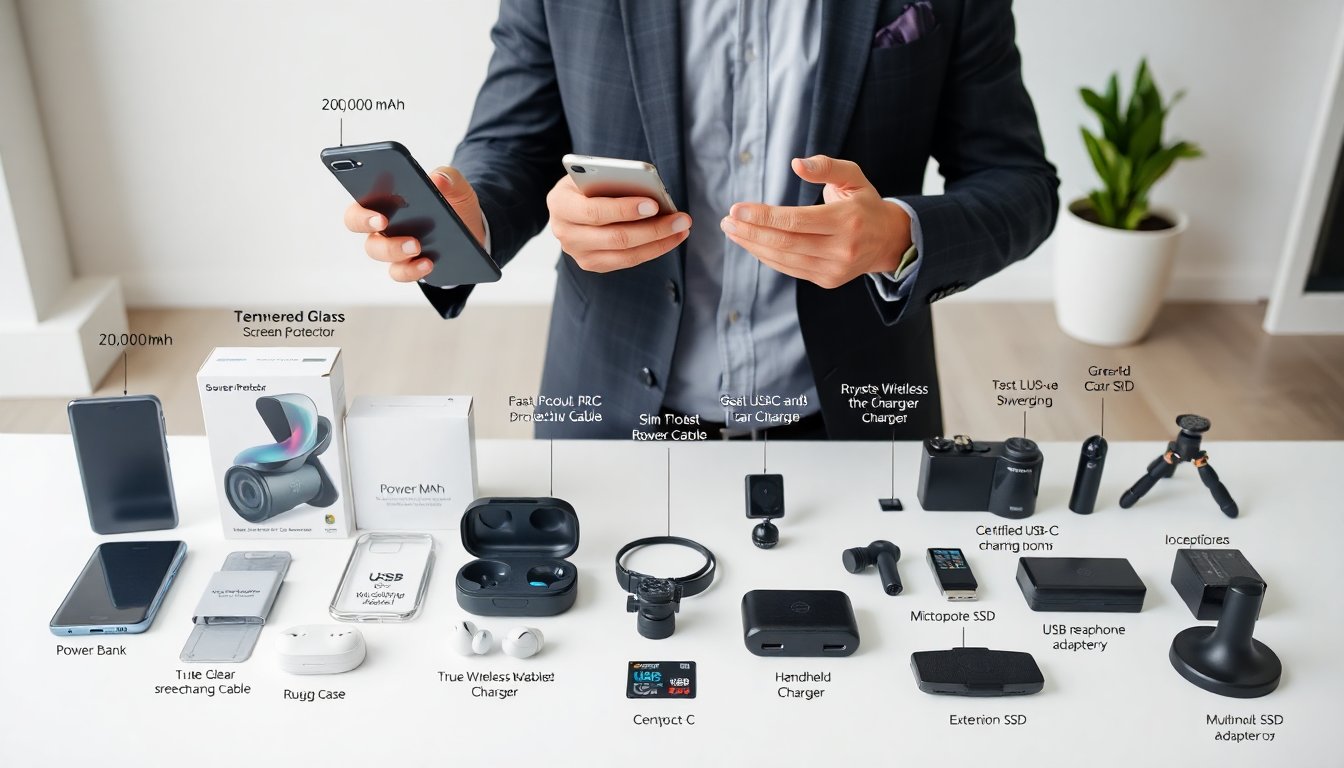
Power banks rank high for people who travel. A power bank delivers reliable power and saves a device from shutting down. Look for 20,000 mAh for multiple charges. Choose a power bank that supports fast charging for the phone model. Many sellers label compatibility clearly.
Cases protect phones from drops and scratches. A case that fits the phone model will absorb shock and protect the camera. Select a case that balances grip and bulk. Clear cases show the phone design. Rugged cases add protection for active users.
Screen protectors prevent glass damage and keep resale value. Tempered glass protectors block cracks better than film protectors. A protector that matches the phone screen size will avoid bubbles and edge lift.
Chargers and cables matter more than people expect. A charger that supports the phone’s fast-charge standard will cut charging time. Use cables that carry power and data without fraying. Replace frayed cables immediately to avoid damage.
Headphones and earbuds improve calls and media. True wireless earbuds give cord-free use and compact storage. Look for models that support the phone’s Bluetooth codecs for better audio. Over-ear headphones give stronger bass and longer comfort for long listening sessions.
Car mounts and wireless car chargers keep driving safe. A solid car mount holds the phone steady and keeps navigation visible. A wireless car charger powers the phone without plugging a cable. Choose a mount that fits the phone size and the car vent or dash style.
Portable tripods and gimbals help creators take better photos and videos. A compact tripod steadies the phone for low-light photos. A gimbal stabilizes video and makes motion look smooth. Creators who record often will see fast benefit from these tools.
Smartwatches and fitness trackers extend the phone experience. A smartwatch pushes notifications and tracks health metrics. A tracker logs steps and sleep. Buyers should match the wearable platform to the phone ecosystem to avoid sync problems.
Storage and memory accessories matter for users who save photos and video. A fast microSD card or a wireless external SSD gives extra space. A card or drive with clear speed ratings will avoid slow transfers.
Adapters and dongles solve mismatches between ports. A USB-C to headphone adapter or a multiport hub will prevent frustration. Choose certified adapters to avoid damage to the phone.
Each buyer should pick accessories that solve a clear problem. The right combination of power, protection, and audio will improve daily use and keep the phone working longer. Buyers who focus on those three areas get the most value from mobile phone accessories.
How To Choose Accessories That Fit Your Phone And Lifestyle
The buyer should start by listing needs. The buyer should ask: Do I need more battery life, better audio, or shock protection? The buyer should prioritize one need and then choose accessories that address that need.
The buyer should check the phone model first. The buyer should read the phone manual for charging standards and supported codecs. The buyer should match accessories to the model to avoid compatibility problems.
Price can mislead buyers. A cheaper accessory can still work well if it meets the phone’s specs. The buyer should check brand reputation and read user reviews. The buyer should prefer accessories with clear warranty terms.
Look for safety certifications on power products. The buyer should prefer chargers with over-current and over-voltage protection. The buyer should avoid unknown brands that lack safety marks.
Portability matters for daily use. The buyer should choose slim chargers and compact cases for pocket carry. The buyer should choose larger power banks for trips. The buyer should balance size with real needs.
Audio buyers should test codecs and latency. The buyer should choose earbuds that pair quickly and stay connected. The buyer should check microphone quality for call clarity. The buyer should prefer models with replaceable ear tips for comfort.
Camera buyers should select lenses and stabilizers that match use. The buyer should pick clip-on lenses that align with the phone camera. The buyer should choose tripods with adjustable height for framing control.
Warranty and after-sale support add real value. The buyer should choose sellers with clear return policies. The buyer should keep receipts and register products when possible. The buyer should expect faster fixes from brands with local service.
Price versus quality will vary by category. The buyer should spend more on power and protection products. The buyer can save on accessories like covers and basic cables if they buy from reputable sellers. The buyer should avoid extreme discounts on power products.
Buyers who follow these steps will reduce returns and regrets. The buyer who checks specs, safety, and real needs will pick mobile phone accessories that fit their phone and lifestyle.
Compatibility, Care, And Where To Save Without Sacrificing Quality
Compatibility starts with the port and the charging standard. The buyer should check whether the phone uses USB-C, Lightning, or a proprietary connector. The buyer should confirm the charging wattage the phone accepts.
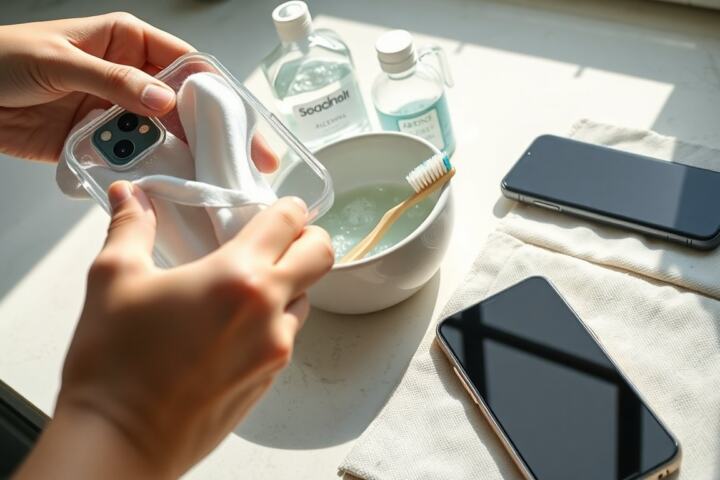
Care extends accessory life. The buyer should clean ports with a soft brush and avoid liquid damage. The buyer should remove dirt from cases and wash removable ear tips by hand. The buyer should store cables loosely to avoid kinks.
Firmware updates affect accessory behavior. The buyer should update the phone and the accessory firmware when available. The buyer should check manufacturer notes before major phone upgrades.
Where to save: the buyer can choose third-party cases and basic cables for lower cost. The buyer can use certified third-party chargers that carry safety marks. The buyer should spend more on power banks, wireless chargers, and earbuds that affect daily use heavily.
Where to invest: the buyer should buy quality cases for drop protection and a screen protector for scratch resistance. The buyer should invest in one reliable fast charger and one durable cable. The buyer should choose earbuds with solid audio and call performance if they use calls often.
Warranty and verification matter when the buyer spends more. The buyer should register high-ticket accessories and note serial numbers. The buyer should buy from sellers who accept returns and who list clear shipping and repair options.
Final tip: the buyer should test new accessories quickly. The buyer should keep original packaging until they confirm the accessory works. The buyer will avoid restocking fees and will solve early defects fast.
These practical checks will help the buyer get full value from mobile phone accessories while avoiding common pitfalls.