Yes, a combination of simple actions, software tweaks, and affordable hardware can noticeably boost a cell phone signal in most homes and on the road. The right fix depends on whether the issue is distance from a tower, local interference, or a settings/software problem. Below are practical steps a person can use immediately and strategies to improve reception over time.
Key Takeaways
- Boosting cell phone signal starts by diagnosing whether poor reception is due to distance, obstacles, or software issues.
- Simple physical fixes like moving near a window, elevating your phone, or removing bulky cases can immediately improve signal strength.
- Adjusting settings—such as toggling Airplane Mode, updating software, or switching network modes—helps stabilize reception.
- External hardware like signal boosters, femtocells, or directional antennas provide the most significant signal improvements indoors or on the road.
- Choosing the right carrier or plan based on local coverage maps and real-world reports is crucial for long-term signal success.
- Combining Wi-Fi calling with signal boosters and proper hardware optimizes communication where cellular signals are weak.
Diagnose Signal Strength And Common Causes
First, identify what’s causing poor reception. Look at the phone’s signal bars and the carrier indicator (LTE, 5G, 3G). If bars are low everywhere, it’s likely distance or carrier coverage: if it’s only inside a building, materials like concrete, metal, or energy-efficient glass often block radio waves. Temporary causes include network congestion, weather, or a malfunctioning SIM. A quick test: move outside or to a higher floor, if signal improves, the problem is physical obstruction or indoor attenuation. Also check the phone on a different carrier (if possible) to separate device from network issues.
Quick Physical Fixes You Can Try Right Now
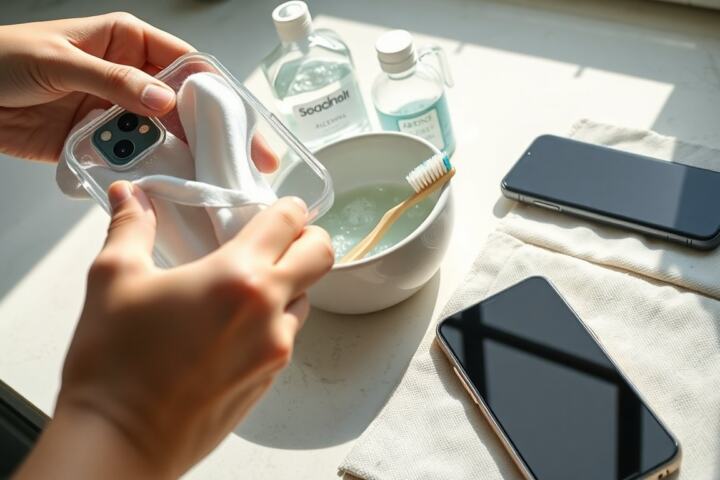
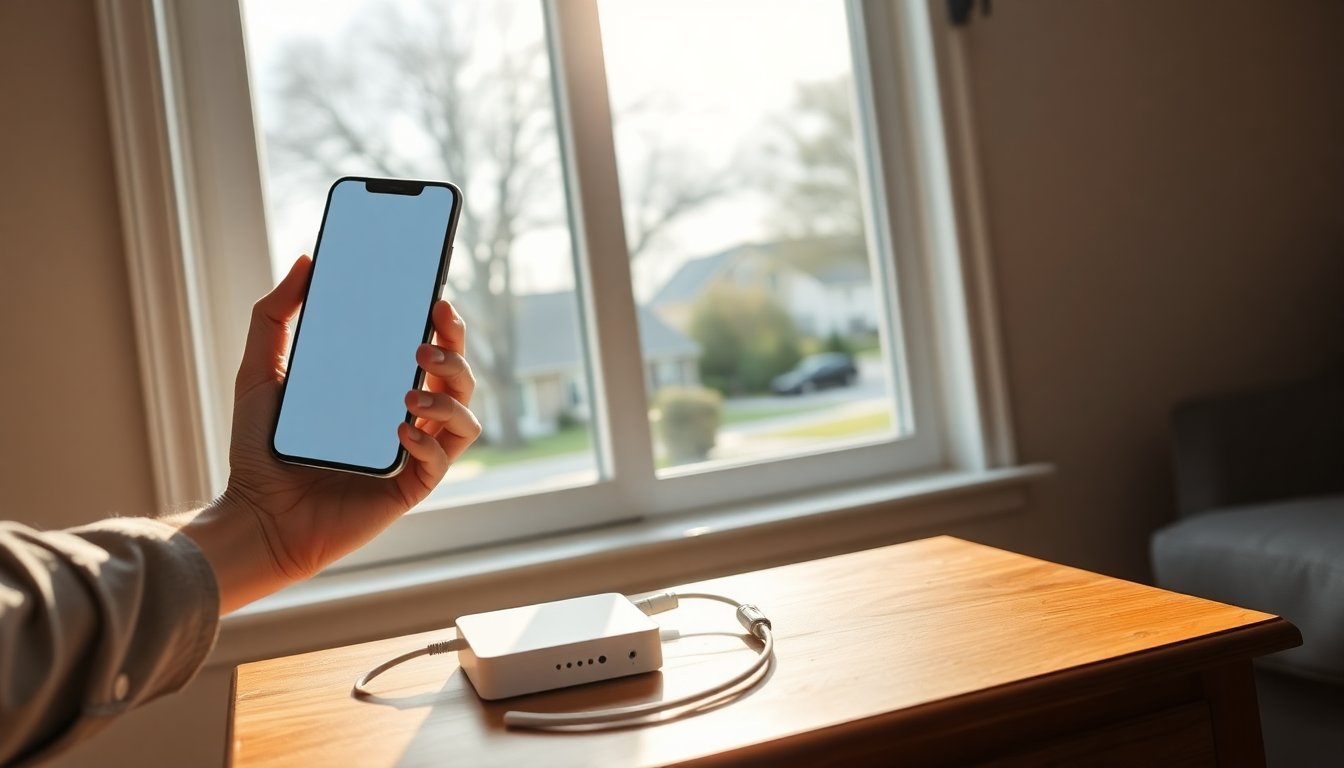
Try these low-effort adjustments before buying gear. 1) Move near a window or go outside to reduce building attenuation. 2) Elevate the phone, higher floors usually get better reception. 3) Remove bulky phone cases that contain metal or cards: a slimmer case can improve antenna performance. 4) Avoid areas with heavy electronic interference (microwaves, baby monitors, poorly shielded LED lights). 5) Reposition while using the phone for calls or data: small changes in angle often help. These fixes are free and frequently restore reliable reception for calls and moderate data use.
Settings And Software Tweaks To Improve Reception
Adjustments in software and settings can resolve software-related drops. First, toggle Airplane Mode on for 5–10 seconds to force the phone to reconnect to the nearest tower. Restarting the device clears transient faults. Update carrier settings and the phone OS to fix known connectivity bugs. In network settings, switching between 5G/4G/3G modes can stabilize service, sometimes choosing 4G/LTE yields more consistent coverage than 5G in fringe areas. Also check for a weak SIM card: reseat it or test a different SIM to rule out SIM faults.
Use External Hardware To Amplify Signal
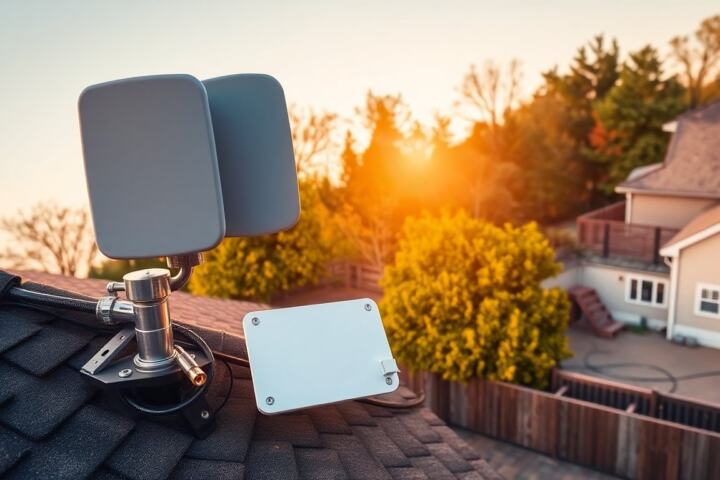
When quick fixes fail, external hardware often provides the largest improvement. Three common options are: cell signal boosters, femtocells (carrier-provided home cells), and directional antennas. A certified signal booster amplifies outside reception and rebroadcasts it inside: it’s effective when an outside signal exists but indoor coverage is poor. Femtocells connect via broadband to create a small, carrier-authenticated cell inside the home, useful where broadband is strong but cellular is weak. Directional antennas aimed at the nearest tower can help vehicles, RVs, and remote buildings. Installation, placement, and choosing the right device determine performance.
Cell Signal Boosters (Repeaters) Vs. Femtocells (Home Cells)
Cell signal boosters amplify whatever outside signal is available and cover a whole home or vehicle: they need outdoor antenna placement and some DIY or professional mounting. Femtocells (also called small cells or home cells) create a local cell using the internet and typically handle fewer simultaneous users but require a stable broadband connection and carrier support. Boosters are best when an outside signal exists but is weak: femtocells suit places with excellent internet but poor radio coverage. Both require checking carrier compatibility and local regulations before purchase.
Long‑Term And Location Strategies For Better Coverage
Addressing persistent reception issues often requires longer-term choices. Installing a permanent outdoor directional antenna or a professionally mounted booster can provide years of improved service. For people who travel, a vehicle-mounted antenna and booster offer reliable connectivity on the road. Also consider structural changes: relocating living or work spaces to higher floors or rooms with more exterior wall area increases exposure to signals. For multi-occupant buildings, community solutions, like building-wide repeaters, can be discussed with property managers and carriers.
Choosing The Best Carrier Or Plan For Your Area
Selecting the right carrier can be the most effective long-term fix. Check coverage maps and real-world reports from neighbors or local social groups, coverage can vary block by block. Prioritize carriers with strong LTE/5G reach in the specific neighborhoods frequented: sometimes a cheaper MVNO on a major network provides comparable coverage at lower cost. For frequent travelers or rural residents, plans that allow roaming or provide access to multiple networks are worth considering. If in doubt, short-term prepaid service trials let a person test coverage before committing.
FAQ
Q: Will turning off 5G improve my signal?
A: Sometimes, switching to 4G/LTE can give steadier coverage if 5G signals are weak or congested.
Q: Are boosters legal and carrier-approved?
A: Many boosters are legal and FCC-certified, but a person should confirm carrier compatibility and registration requirements before use.
Q: Can a new phone fix poor reception?
A: A newer phone may have better radios and antenna design, which helps in fringe areas, but it won’t overcome fundamental coverage gaps from tower distance.
Q: Does Wi‑Fi calling replace a weak cellular signal?
A: Yes, where broadband is strong, Wi‑Fi calling provides reliable voice and text and is an excellent complement to other fixes.
Frequently Asked Questions About Boosting Cell Phone Signal
What are some simple ways to boost my cell phone signal at home?
To improve signal indoors, try moving near a window or going outside, elevating your phone to higher floors, removing bulky metal phone cases, and avoiding electronic interference from devices like microwaves or LED lights.
How can software settings help improve my cell phone reception?
You can toggle Airplane Mode for a few seconds to reconnect to towers, restart your phone, update carrier and phone software, switch between 5G/4G/3G modes, and reseat or test your SIM card to fix reception issues caused by software or settings.
What is the difference between a cell signal booster and a femtocell?
A cell signal booster amplifies an existing outside signal to improve indoor coverage, while a femtocell creates a small local cell using your broadband internet, ideal when you have good internet but weak cellular signal; both require carrier compatibility.
Can switching off 5G improve my phone’s signal strength?
Yes, sometimes turning off 5G and switching to 4G/LTE provides steadier coverage in areas where 5G is weak or congested, leading to more reliable reception.
Why does my cell signal improve when I go to a higher floor or outside?
Building materials like concrete and metal block radio waves indoors, so moving outside or to higher floors reduces physical obstructions and improves reception by allowing better line-of-sight to cell towers.
How do I choose the best carrier for better cell phone coverage?
Check coverage maps, ask locals for real-world reports, and consider carriers with strong LTE or 5G coverage in areas you frequent. Also, consider plans offering roaming or multi-network access, and try prepaid trials to test local signal strength before committing.