MagSafe phone cases are protective shells designed to work with Apple’s magnetic ecosystem, offering secure attachment for chargers and accessories while protecting the device. They combine a ring of magnets and standards that let users snap on chargers, wallets, and mounts with repeatable alignment. For someone deciding whether to buy one, the main considerations are compatibility, protection level, and which accessories they plan to use.
Key Takeaways
- MagSafe phone cases feature a built-in circular magnet array that ensures secure attachment and precise alignment with Apple’s MagSafe accessories for reliable wireless charging and accessory use.
- To benefit fully from a MagSafe phone case, confirm it is labeled ‘MagSafe compatible’ and designed for your exact iPhone model to maintain charging efficiency and magnetic connection strength.
- MagSafe cases improve charging consistency and accessory switching speed while protecting the phone, but may add slight bulk and vary in drop protection based on design and materials.
- Choosing the right MagSafe case involves balancing protection level, material preference, and accessory compatibility, with attention to manufacturer notes on charging speed and heat management.
- Avoid generic magnetic cases lacking certified MagSafe specifications, as they can have weaker magnetic hold and reduced charging performance compared to certified MagSafe cases.
What A MagSafe Phone Case Actually Is
MagSafe phone cases are cases built with an integrated magnet array that matches Apple’s magnetic ring and alignment system. They come in two main forms: cases with built-in magnets and certified MagSafe-compatible cases that meet Apple’s mechanical and electrical alignment tolerances. A true MagSafe case keeps the phone protected like a regular case while enabling magnetic attachment for chargers and accessories without interfering with wireless charging efficiency. Buyers should check the case description for terms like “MagSafe compatible” or “MagSafe” and confirm compatibility with their phone model before purchasing.
Quick Facts:
- MagSafe uses a circular magnet array plus alignment guides.
- MagSafe cases let magnetic accessories attach reliably while still allowing Qi charging.
- Not every “magnetic” case is MagSafe-certified: fit and power transfer can vary.
How MagSafe Technology Works
MagSafe technology merges mechanical alignment and wireless power transfer so accessories snap on in the right position and stay attached during everyday use. Two technical layers matter: the magnet layout that secures and centers attachments, and the wireless charging standard that moves power through the case to the phone’s coil. The result is a more consistent connection than loose magnetic puck chargers and an accessory ecosystem that communicates basic information to the phone, like accessory type and charging state.
Magnets, Alignment, And Attachment Standards
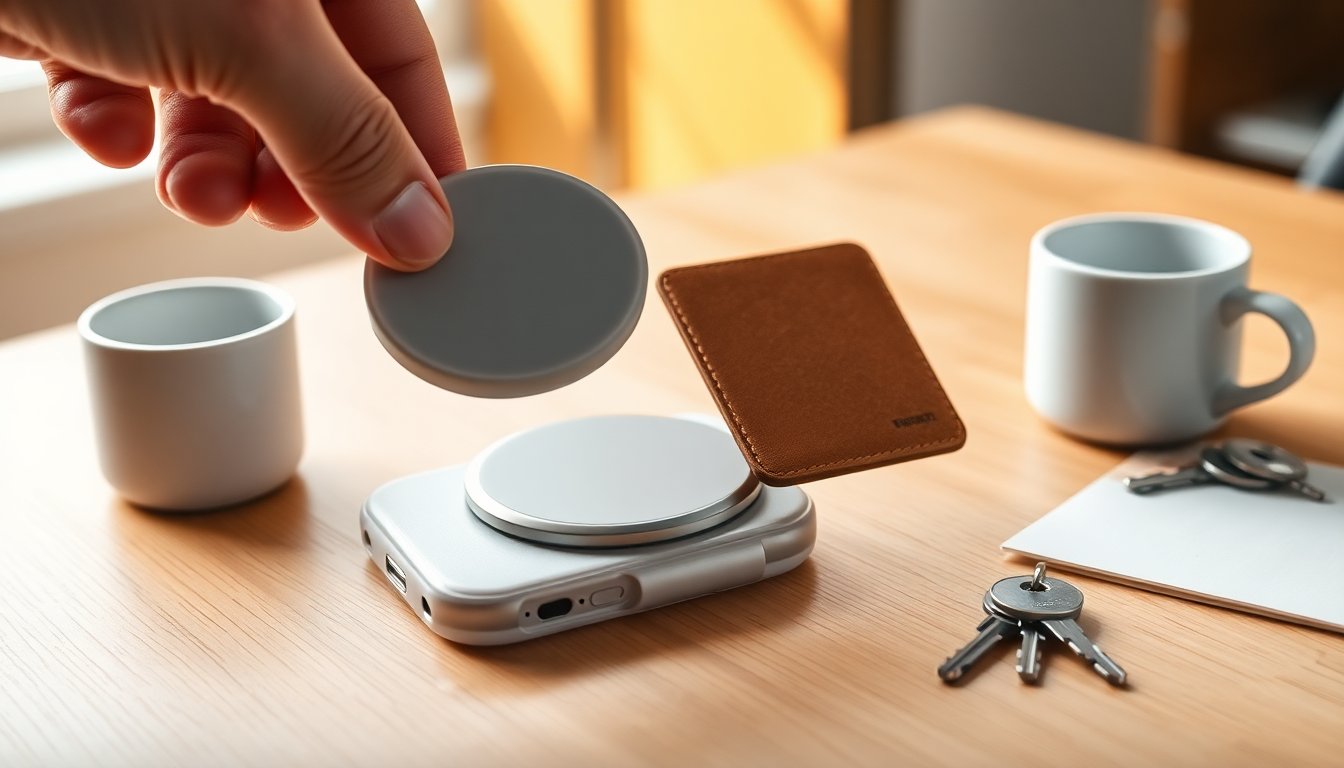
The circular magnet array inside a MagSafe case creates a strong, repeatable alignment with MagSafe accessories. Magnets are arranged to provide both centering force and rotational stability so a charger, wallet, or mount doesn’t shift. Attachment standards define acceptable magnet strength and placement tolerances so accessories from different makers work similarly when the case meets MagSafe specs.
Wireless Charging, Power Transfer, And Accessory Communication
MagSafe extends Qi wireless charging but optimizes coil positioning for faster, more consistent power transfer when used with MagSafe chargers. Some accessories also use NFC or simple electrical contacts to communicate accessory type and charging speed to the phone. Cases must be thin enough (and use non-interfering materials) around the charging area to prevent reduced charging efficiency or overheating.
Benefits And Limitations Of Using A MagSafe Case
Benefits of MagSafe cases include reliable accessory attachment, quicker alignment for wireless charging, and access to a broad accessory ecosystem, from wallets to car mounts. They also make switching between accessories effortless and reduce fumbling when placing the phone on a charger.
Limitations include slightly increased case thickness to house magnets, potential compatibility issues with non-MagSafe accessories, and variable protection levels: some slim MagSafe cases prioritize aesthetics over drop protection. Magnets can sometimes interfere with credit cards and certain medical devices, so users should follow manufacturer warnings. Finally, non-certified cases may offer weaker magnetic holds or reduced charging speeds, so certification and user reviews matter.
How To Choose The Right MagSafe Case For Your Phone
Choosing a MagSafe case requires balancing protection, compatibility, and the accessories a person plans to use. First, confirm the case is listed for the exact phone model and labeled “MagSafe” or “MagSafe compatible.” Second, decide the protection level: rugged cases with shock-absorbing materials protect better in drops but are bulkier: slim cases look cleaner and pair well with wallets or mounts.
Materials matter, silicone or leather cases look and feel different and affect grip and wear. Check for reinforced corners and raised lips if camera and screen protection are priorities. If faster charging is important, look for manufacturer notes about MagSafe charging speeds and heat management. Finally, consider ecosystem fit: if someone plans to use magnetic wallets, mounts, or stands, pick a case known to hold accessories firmly rather than just advertising magnet inclusion.
Common mistakes to avoid:
- Buying a generic “magnetic” case without MagSafe tolerance claims.
- Assuming all MagSafe accessories will hold equally, read real-world reviews.
- Ignoring thickness: very thick cases can reduce charging efficiency.
FAQ
Do MagSafe cases work with older iPhones?
They work only if the phone supports Qi wireless charging and the magnets align: older iPhones without Apple’s MagSafe coil may experience weaker attachment and less reliable charging.
Will a MagSafe case damage credit cards?
MagSafe magnets can demagnetize or stick to cards if placed directly on magnetic strips: using a case with a dedicated magnetic wallet pocket and avoiding storing cards directly against magnets is recommended.
Are MagSafe cases safe for pacemakers?
People with implanted medical devices should consult their physician and device manufacturer: magnets can affect some medical devices and safety guidance varies.
Can third-party MagSafe chargers reach full charging speed?
Some third-party chargers match Apple’s speeds when they meet MagSafe specifications, but speeds vary, check certifications and independent test results before buying.
Frequently Asked Questions about MagSafe Phone Cases
What is a MagSafe phone case and how does it work?
A MagSafe phone case has built-in magnets that align with Apple’s MagSafe system, allowing secure attachment of chargers and accessories while protecting the phone and enabling efficient wireless charging.
How does a MagSafe case improve wireless charging?
MagSafe cases optimize coil positioning through a magnetic array, ensuring faster, more consistent power transfer compared to standard wireless chargers, while maintaining device protection.
Are all magnetic phone cases MagSafe certified?
No, only cases that meet Apple’s mechanical and electrical alignment standards are MagSafe certified. Non-certified magnetic cases may have weaker attachment and reduced charging efficiency.
Will using a MagSafe phone case damage my credit cards?
MagSafe magnets can demagnetize or stick to cards with magnetic strips if placed directly adjacent. It’s best to avoid storing cards directly against the magnets or use cases with dedicated magnetic wallet pockets.
Can I use third-party MagSafe chargers with a MagSafe phone case?
Yes, some third-party MagSafe chargers reach full charging speeds if they comply with Apple’s MagSafe certification standards, but charging speed and reliability can vary, so check certifications and reviews.
Are MagSafe phone cases safe for people with pacemakers?
Magnets in MagSafe cases may interfere with some implanted medical devices. Individuals with pacemakers should consult their physicians and device manufacturers before use.